


DVLA Introduces Simpler Rules for Vehicle Registration
Practical Reforms For Motorists
From August 2025, the DVLA has updated its rules to make registering modified and restored cars simpler and more transparent. These reforms aim to reduce unnecessary administration, preserve vehicle identity, and support the wider motoring industry.
At Performance Direct, we view these changes as a positive step for drivers who value both their cars and their time.
What’s Changed?
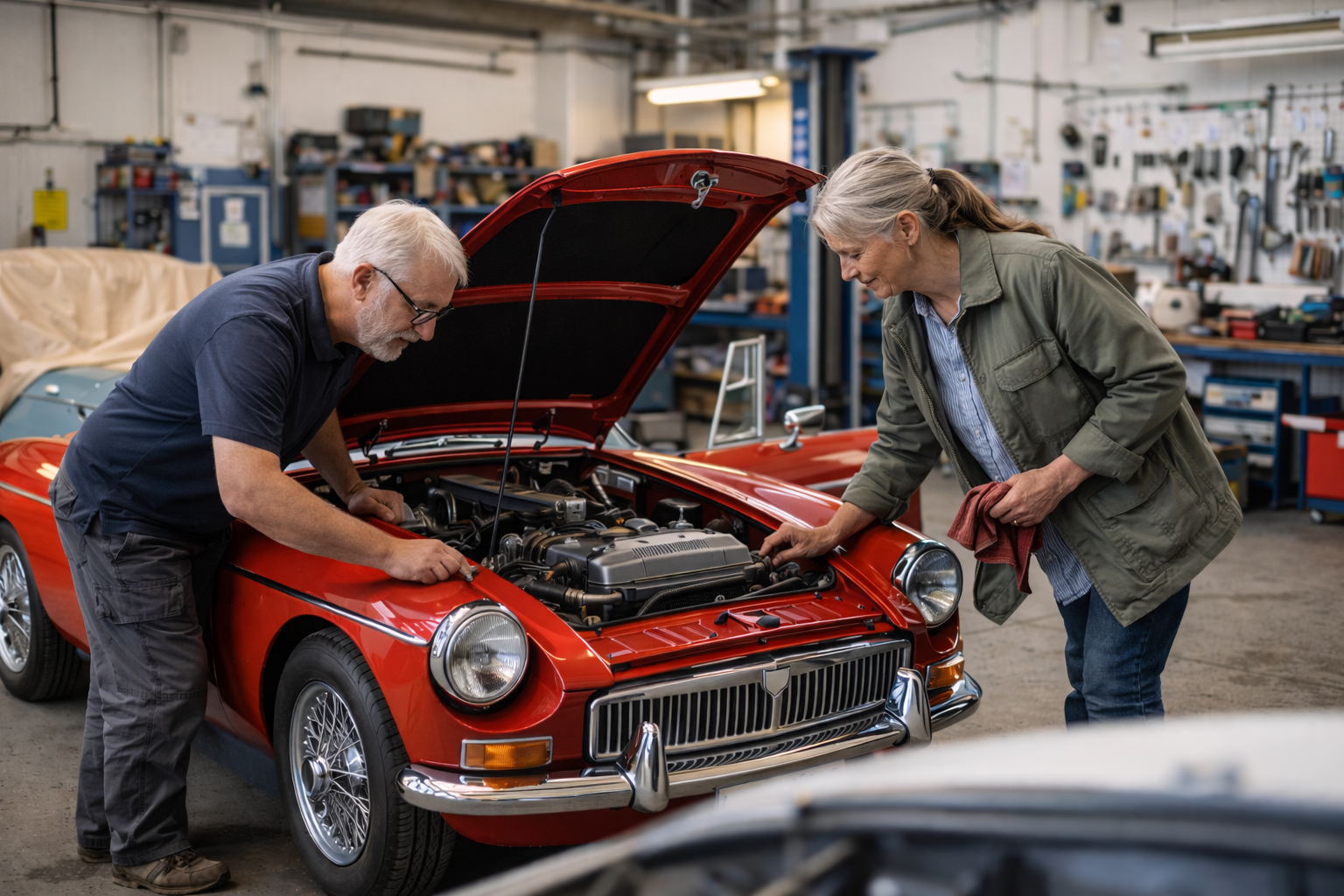
Routine restoration and like-for-like repair work, such as replacing panels or carrying out mechanical repairs to original specification, no longer needs to be reported to the DVLA. These jobs are now considered part of the normal process of ownership, provided the vehicle’s appearance remains as it was when originally manufactured and no changes are required to the V5C.
For cars that undergo significant structural modifications, the registered keeper must still notify the DVLA. The difference is that under the new system, these vehicles will now be able to keep their original VIN and registration number, with the updates recorded on the log book. The same applies to electric conversions: switching to electric won’t automatically mean a new identity, but owners must inform the DVLA so the change can be properly documented.
It’s also important to let your insurance provider know about any modifications, as they may affect your policy. Failing to declare these changes could result in a claim being refused.
Finally, Q-plates will now only be issued in cases where a car’s original identity cannot be verified. This provides much greater certainty for owners, helping protect both the history and long-term value of their vehicles.
Why It’s Important
These changes make life far simpler for drivers. Instead of worrying about additional admin, owners can focus on enjoying their vehicles. The reforms also help preserve a car’s value and heritage by ensuring it keeps the same registration number throughout its life. Finally, they are good news for the motoring sector as a whole, reducing complications for workshops, restoration experts, and modification specialists who support thousands of UK motorists.
What Drivers Should Do
Even though the DVLA has made the process easier, we still recommend keeping a clear record of all modifications or repairs. Receipts, photographs, and detailed notes will make things straightforward if questions arise in the future. It’s also wise to check the official GOV.UK website for the latest DVLA guidance, as updates may be issued over time.
Our Take
We believe these reforms strike the right balance between practicality and heritage. By clarifying the process, the DVLA has made ownership, restoration, and modification more straightforward for motorists across the UK. At Performance Direct, we’ll continue to support drivers with insurance and advice that gives them confidence in every stage of their motoring journey.
Just remember: while DVLA notification is now simpler, it’s equally important to update your insurance provider about any modifications. That way, you’ll avoid the risk of a claim being refused and ensure your cover always reflects your car as it really is.